

Fluoride & Sealant (TFA‑PFS)
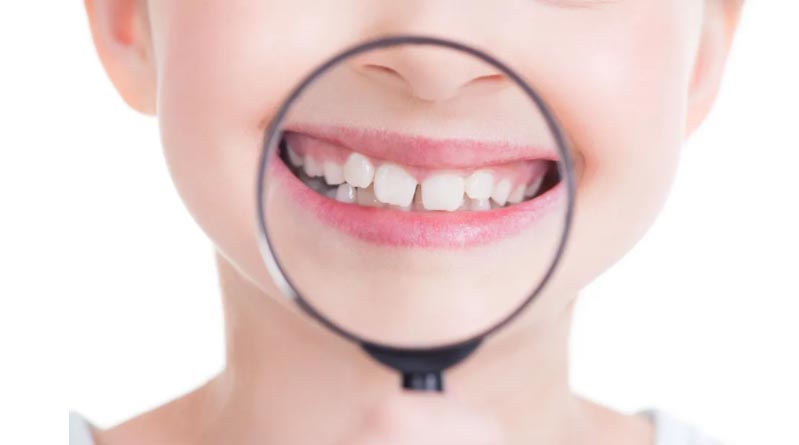
Childhood dental caries is a very common concern for parents, and many families seek-out early preventive dental care for their kids. Pit-and-fissure sealants and topical fluoride treatment are two primary preventive options.
Chewing surfaces of children’s teeth contain many natural grooves known as pits and fissures. While these grooves help grind food, they easily trap food debris. Even with parental brushing assistance, deep fissures are often hard to clean completely. Trapped food produces acid which demineralizes enamel and leads to cavities.

Pit-and-fissure sealant is a caries-prevention procedure. Without removing healthy tooth tissue, a special resin material is applied onto the occlusal surface. After flowing into fissures, the material hardens into a protective barrier. It seals-off food debris and bacteria and reduces cavity risk.
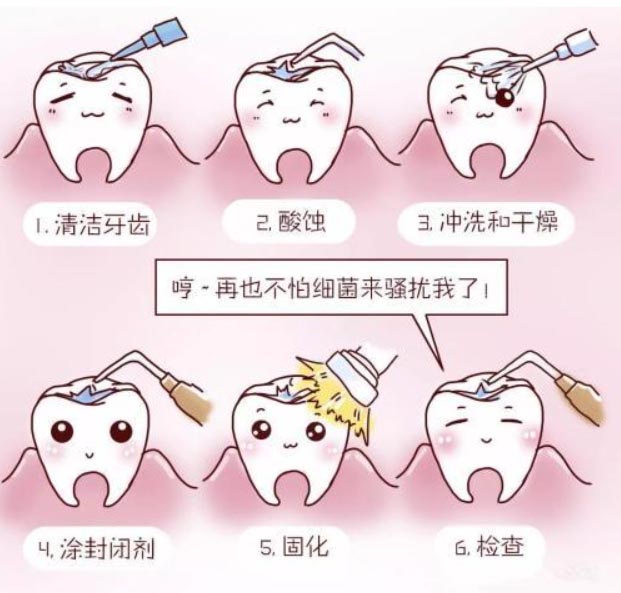
The ideal age for sealing the first permanent molars (six-year molars) is 6-8 years old, when these teeth erupt. Sealants for other teeth can be arranged based on eruption timing and fissure depth.
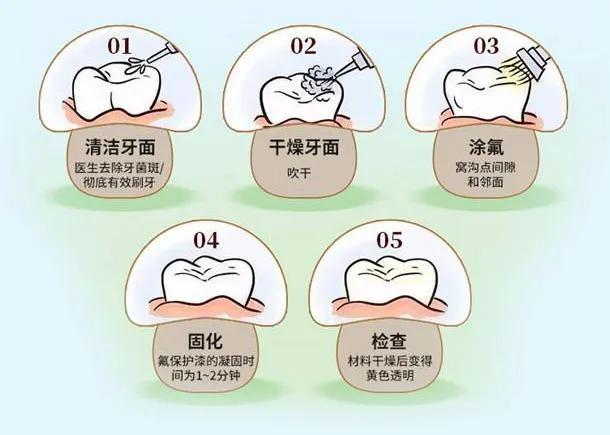
Topical-fluoride application is performed by a dentist. Fluoride agent is coated over all tooth surfaces. It strengthens enamel resistance against acid attack, promotes remineralization and inhibits harmful oral bacteria to prevent tooth decay.
Potential hazards of untreated childhood caries
1. Widespread decay or premature loss of primary front-teeth may impair children’s pronunciation and affect their mental-well-being.
2. Early loss of deciduous teeth due to cavities can disrupt eruption of permanent teeth and result in malocclusion.
3. Decayed primary teeth reduce chewing efficiency, interfere with digestion and nutrition absorption, and hinder children’s physical development.
4. Untreated caries may progress to pulpitis and periapical inflammation, causing toothache and facial swelling. Chronic periapical infection can act as an oral focus and create potential risks for general health.